








Tutto ok, tempi spedizione buoni come previsto dal sito.
A very useful tool for scanning beneath wall surfaces and underneath wooden panels. This has replaced my previous simple electricity sensor.
The large bright colour display and circular LED segments make it very easy to determine what's going on beneath surfaces.
Very useful, only one device on the bench saves space.
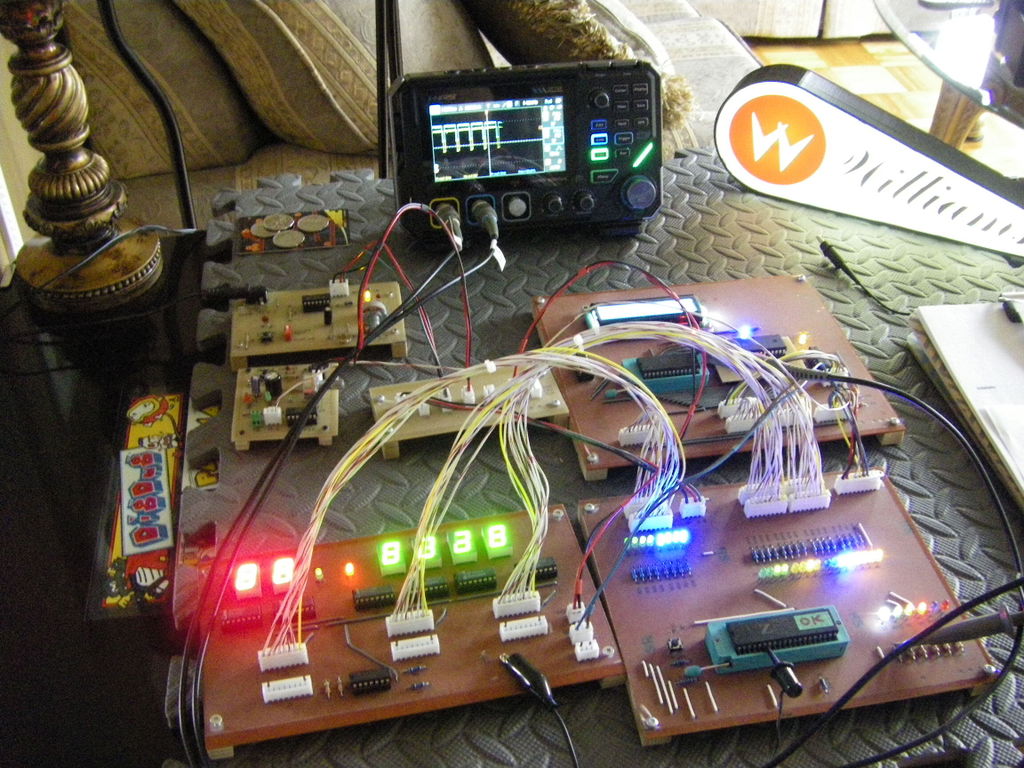
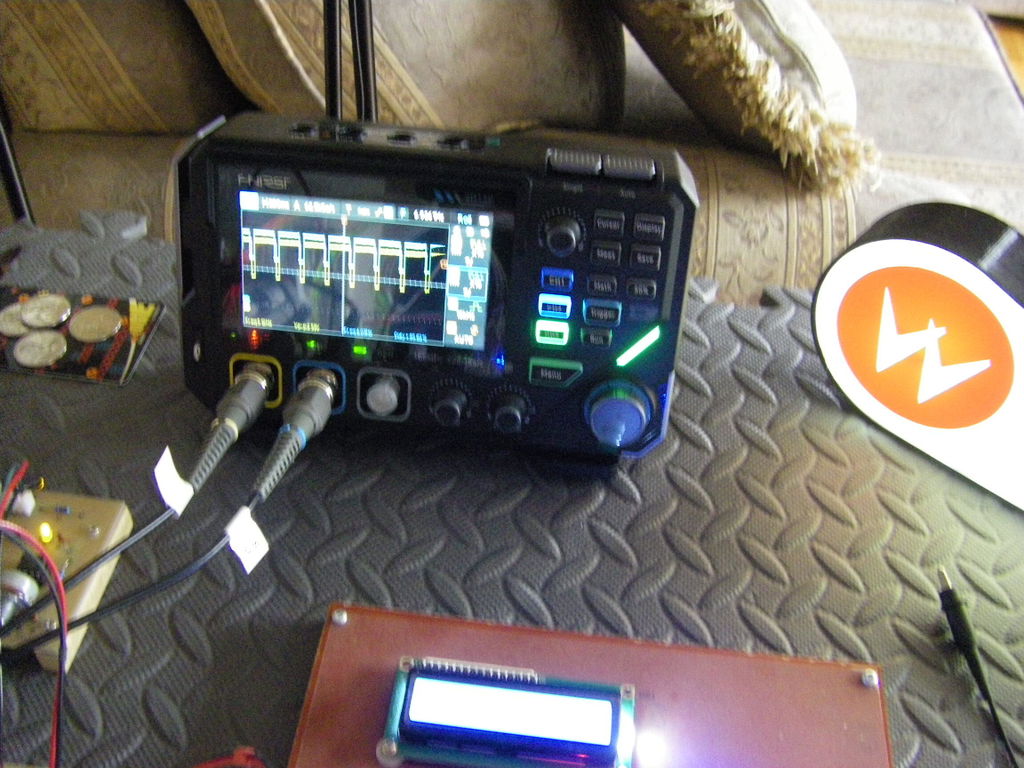
Das DMC 100 ist ein sehr präzises Messgerät, das zudem auch noch vielseitige einsetzbar ist. Alle Funktionen sind sehr durchdacht und es bringt sogar ein Messwert Speicher mit. Andere Modelle von Konkurrenzunternehmen sind wesentlich teurer. Eine sehr gute Wahl. Ich würde es direkt wieder kaufen.
FNIRSI® 2D15P 3-in-1 Benchtop 2CH 100MHz Phosphor Oscilloscope Multimeter
Ottimo prodotto molto comodo e pratico buon materiale e di facile utilizzo ottima la base di riposo molto utile e pratica . L'azienda e seria e presente per ogni evenienza e chiarimenti
My FNIRSI HRM-10 battery resistance tester (the Plus version) was shipped from China and arrived in good condition and on-time. The quality is excellent and it read correctly when tested with some batteries and voltage sources that I created with a known output resistance. Get the "Plus" version, the extra few dollars are worth it to get the pogo-probes and battery holder. The pogo probes and standard Kelvin connection clip leads each offer advantages in different battery testing situations. The battery holder makes D, AA, AAA, etc. cell testing easier and faster.
Me pareció un producto espectacular, buen precio y de bueno calidad, comprobados valores de medición con otros polimetros de precio más elevados, arrojando unos valores muy similares, muy buen producto, lo recomiendo
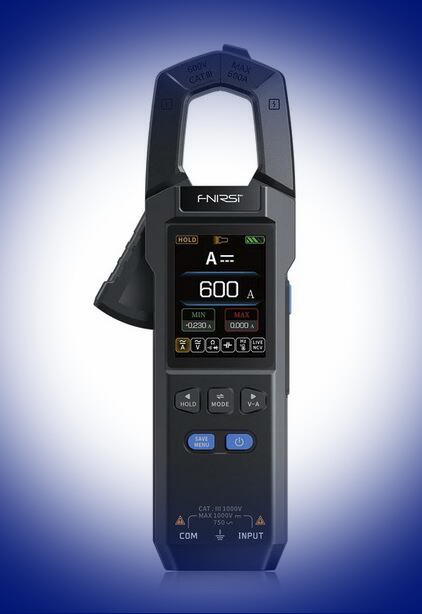
Excellent price/functions and accuracy ratio. Large and clear display and the finish of the entire device is excellent. I compared some measurements with the Sanwa PC720M and got very similar values. What pleasantly surprised me was that the measured capacitor capacity values differed very little from the values given by a professional multimeter. The NCV function detects well the power cables embedded in the wall. Waveform display and automatic recording of min/max values is also very useful. Considering that this is a field instrument, in a future revision the housing should be made of a tougher type of plastic and the light button should be moved because it is activated unintentionally when you press the handle to open the clamp.
Ero un po' titubante prima dell'acquisto, ma dopo averlo provato per diversi giorni devo dire che mi ha completamente sorpreso in positivo.
Cosa mi ha convinto di più:
Qualità costruttiva e materiali: Si percepisce subito la cura nei dettagli e la robustezza del prodotto.
Facilità d'uso e prestazioni: Svolge il suo lavoro in modo impeccabile, velocizzando e semplificando notevolmente ciò per cui è stato progettato.
Rapporto qualità/prezzo: Eccellente. Vale ogni singolo centesimo speso.
Verdetto:
Se siete indecisi, andate sul sicuro: per me è diventato un mai-più-senza. Spedizione eccellente e servizio impeccabile. Consigliatissimo a tutti!
Recensione:
Ero un po' titubante prima dell'acquisto, ma dopo averlo provato per diversi giorni devo dire che mi ha completamente sorpreso in positivo.
Cosa mi ha convinto di più:
Qualità costruttiva e materiali: Si percepisce subito la cura nei dettagli e la robustezza del prodotto.
Facilità d'uso e prestazioni: Svolge il suo lavoro in modo impeccabile, velocizzando e semplificando notevolmente ciò per cui è stato progettato.
Rapporto qualità/prezzo: Eccellente. Vale ogni singolo centesimo speso.
Verdetto:
Se siete indecisi, andate sul sicuro: per me è diventato un mai-più-senza. Spedizione eccellente e servizio impeccabile. Consigliatissimo a tutti!
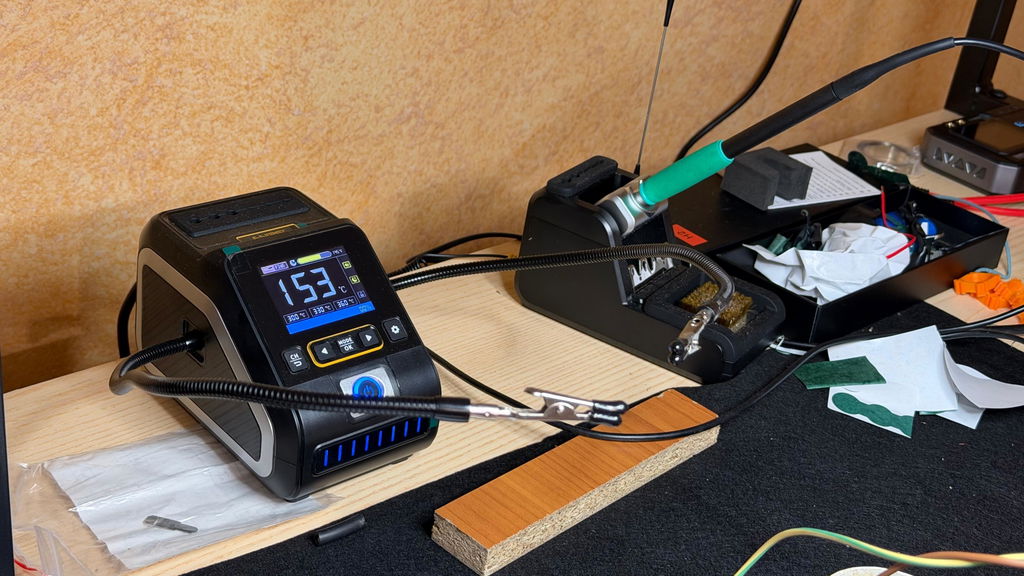
FNIRSI® HS-02 Intelligent Soldering Iron with Portable Storage Case
Very happy with the meter. Finished one complete charging cycle just using the amp meter mode, AC and DC. Is it possible to add a milliamp scale?
Everything went great with my last order, the package arrived in good condition, the devices were as described. I plan on ordering more in the future, and I'd recommend it to others as well.
je l'ai depuis un mois. comment ai-je pu m'en passer si longtemps! la bonne solution pour mes 18650.
Llegó bien el producto.
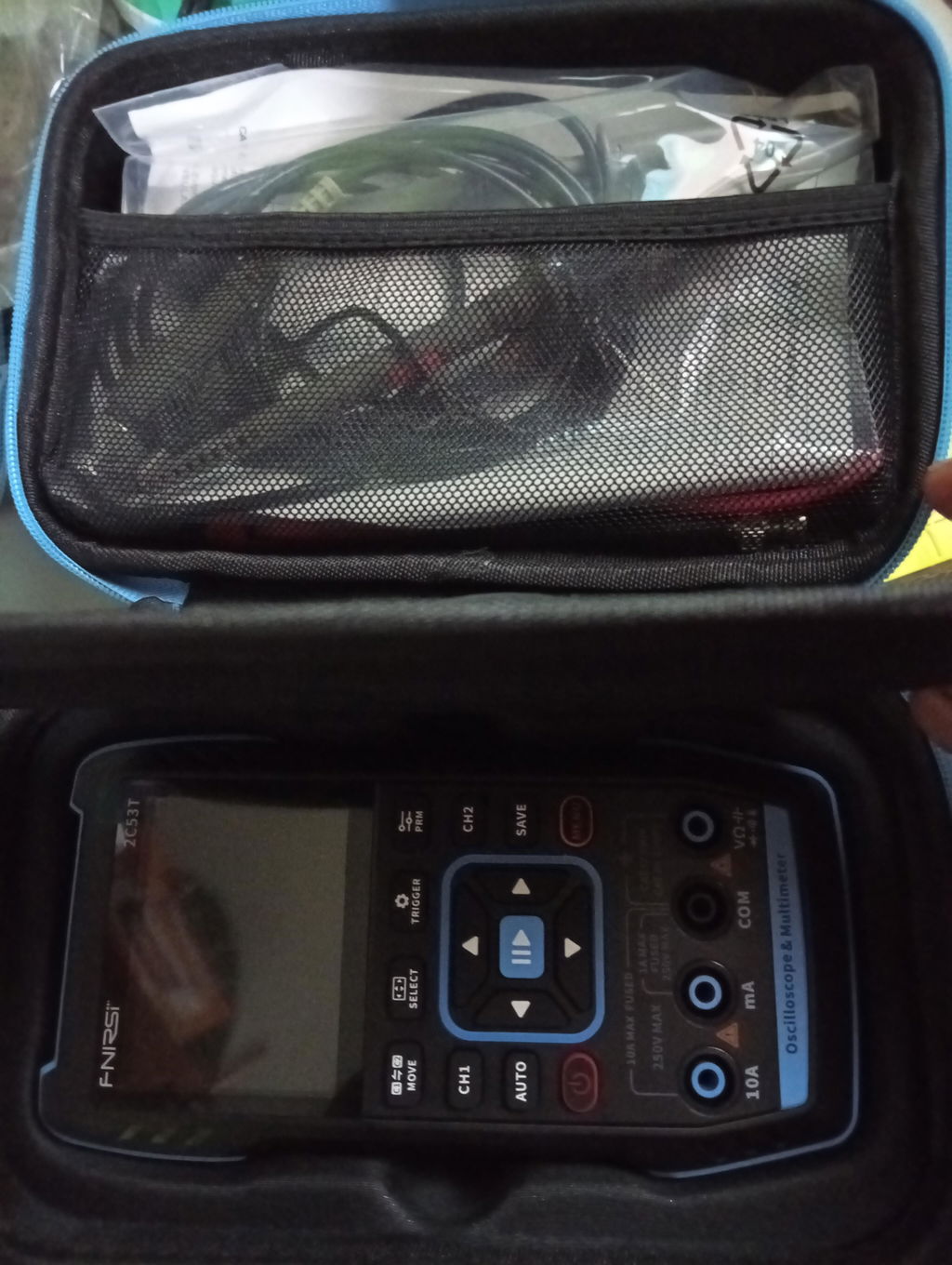
Finding the unit being very useful, easy to setup and use
I purchased the FNIRSI LC1020E through the FNIRSI Store, product arrived on time and in good condition. So far in using to check values it is accurate and provides a range of testing options. The rechargeable feature is an added bonus for these types of measurements and other competitive products. The Kelvin Probe is found on more expensive products. I did look at the PEAK Atlas LCR45, as the next best, however it was about twice the price with coupon, no recharge, no Kelvin Probes. Was rated 5 Star, but price was one deciding factor.
Excellent field instrument, does the job perfectly. As for a lab instrument I miss more options for triggering and a user friendly vertical position setting.